Nicaragua Reaches Record Coffee Exports
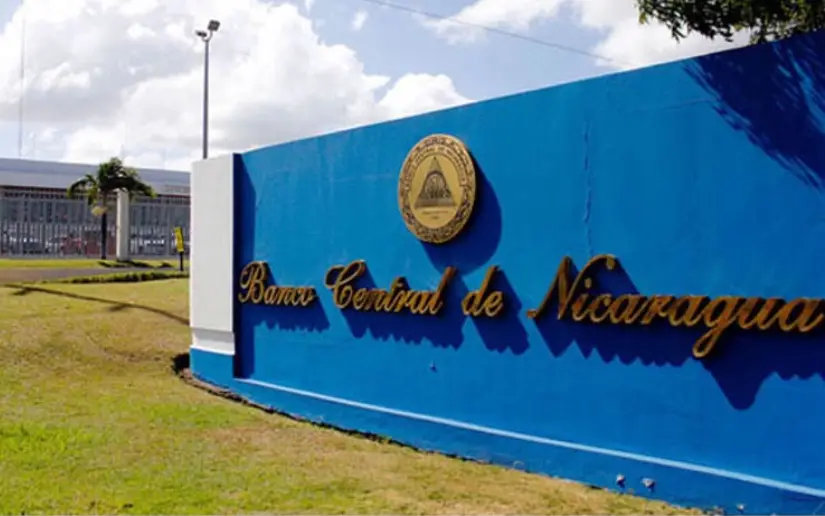
The president of the Central Bank of Nicaragua (BCN), Ovidio Reyes, highlighted on the Canal 4 program "Revista en Vivo" that coffee exports exceeded $900 million in 2025.
Reyes emphasized the strategic importance of coffee to the national economy and specified that there was a 75 percent increase in value.
He explained that coffee exports rose from approximately $524 million in 2024 to more than $918.4 million in 2025. "That represented a 75% increase in value" he explained, adding that there was also an increase in volume: "In volume, coffee exports increased from 3,099,000 quintals to 3,370,000 quintals of coffee."
He also highlighted the role of international prices: “The average price of coffee in 2023 was $195, and in 2025 it was $272.”
He emphasized the social impact of the coffee sector, indicating that “around 51,000 families are registered” and that it generates “around 136,000 direct jobs and around half a million indirect jobs.”
Furthermore, he explained the sector's structure, with “110 companies dedicated to coffee exports” and “55 organizations that have business relationships with this sector,” as well as 62 coffee processing facilities.
Regarding training, he indicated that training programs have been developed for producers. “They are taught the tasks of coffee care and harvesting, as well as how to ensure food safety,” he explained, adding that there are specializations for high-quality coffees that can fetch high prices. “The highest-selling quintal of coffee exceeded $10,000,” he stated, highlighting the strong position of Nicaraguan coffee.
Regarding the territorial impact, he noted that coffee is produced in 60 municipalities, primarily in rural areas. “It has a spillover effect, which is simply extensive, meaning it's located in different parts of the country, particularly in the north and central regions; Matagalpa and Jinotega are the largest coffee producers,” he said, emphasizing that it benefits low-income families and contributes to poverty reduction through employment and income generation.
Referring to market behavior, he explained that “price is the signal to activate the entire production and marketing chain,” noting that factors such as the pandemic, global demand, and weather conditions have influenced its evolution. He added that, although the price has been favorable, “it is volatile” and depends on international supply and demand.
Regarding markets, he stated that the United States remains an important partner for Nicaragua: "Historically, it has been the main export route for our products," along with Central America, which accounts for approximately 24% of trade. He also mentioned Europe as a significant destination, especially for coffee. "Forty-two percent of the coffee we produce goes to Europe; it is the leading consumer of coffee if we look at it by region," he affirmed.
Source: 19 Digital